
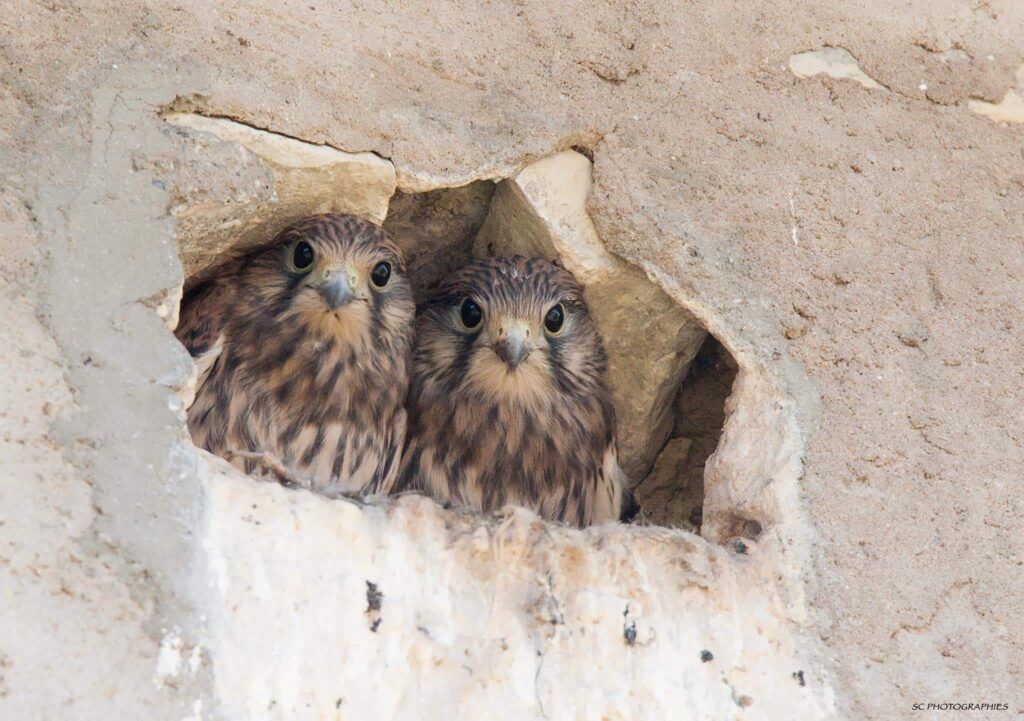
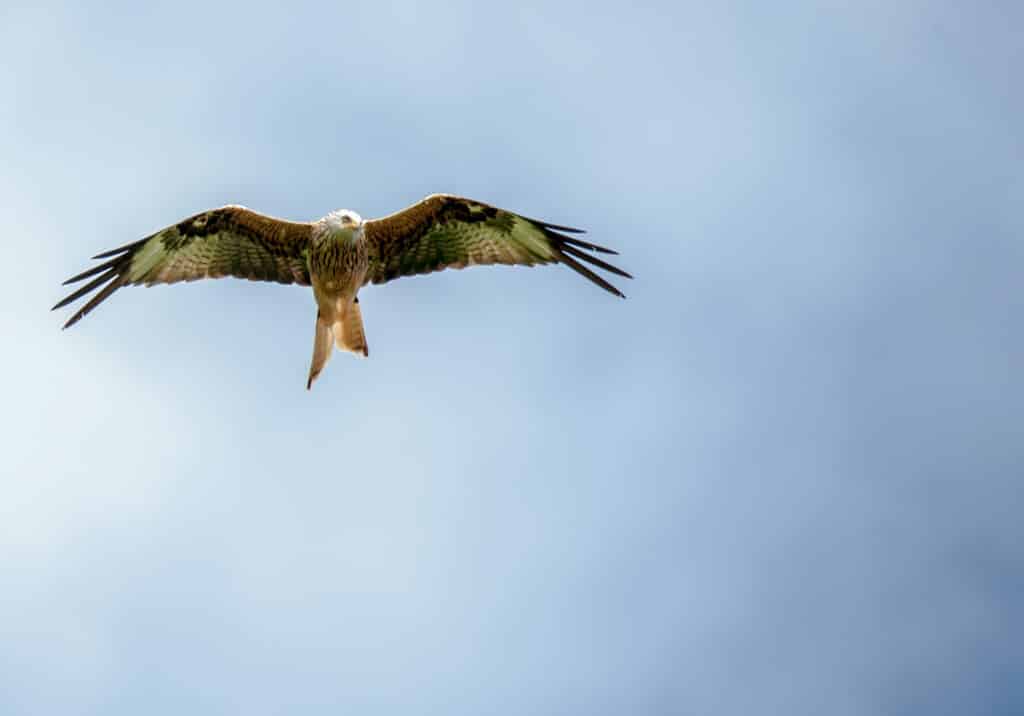
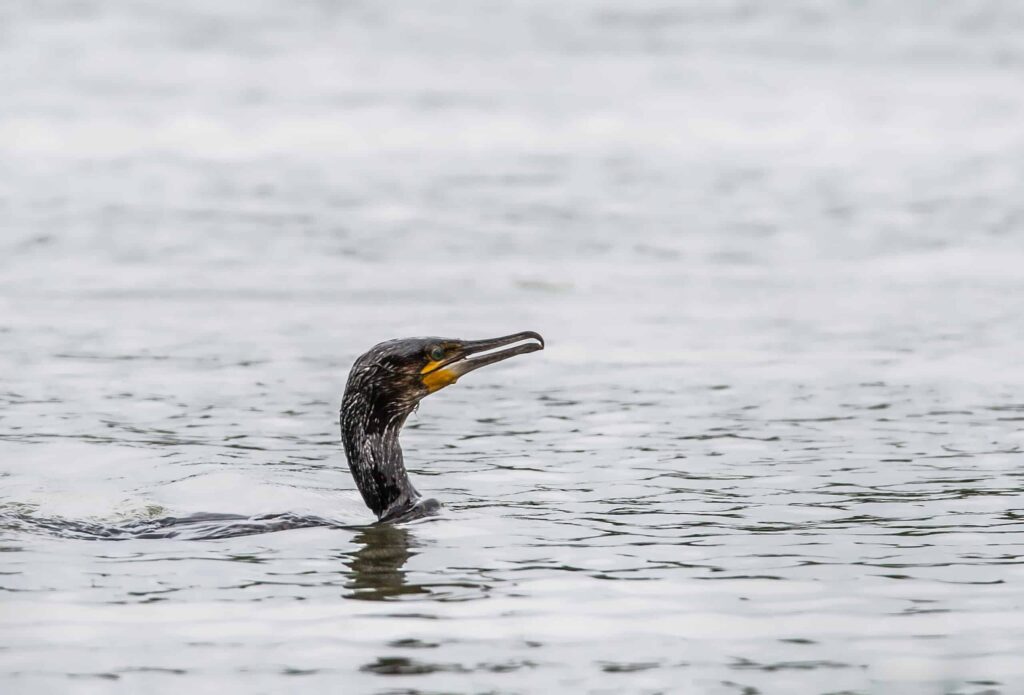
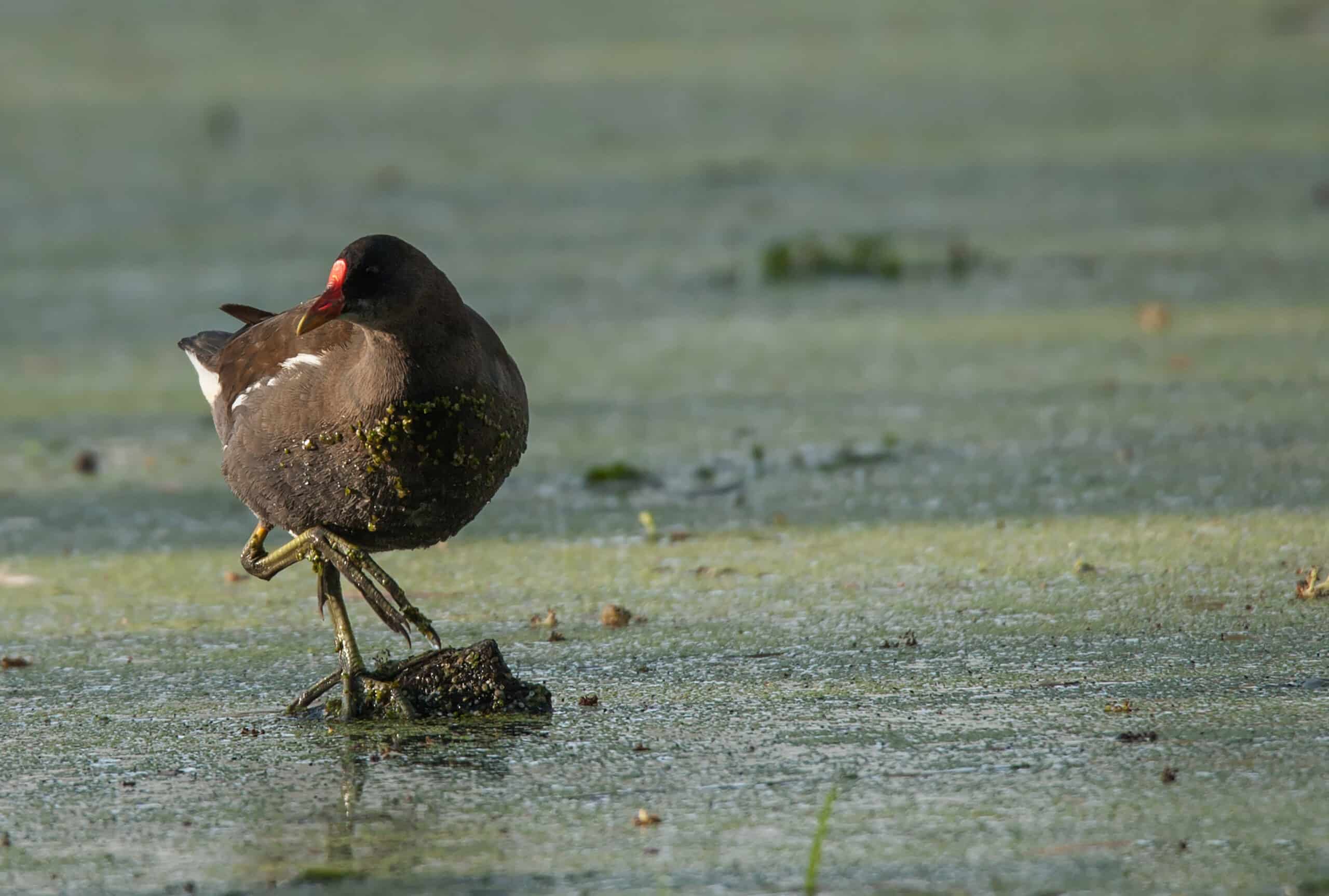
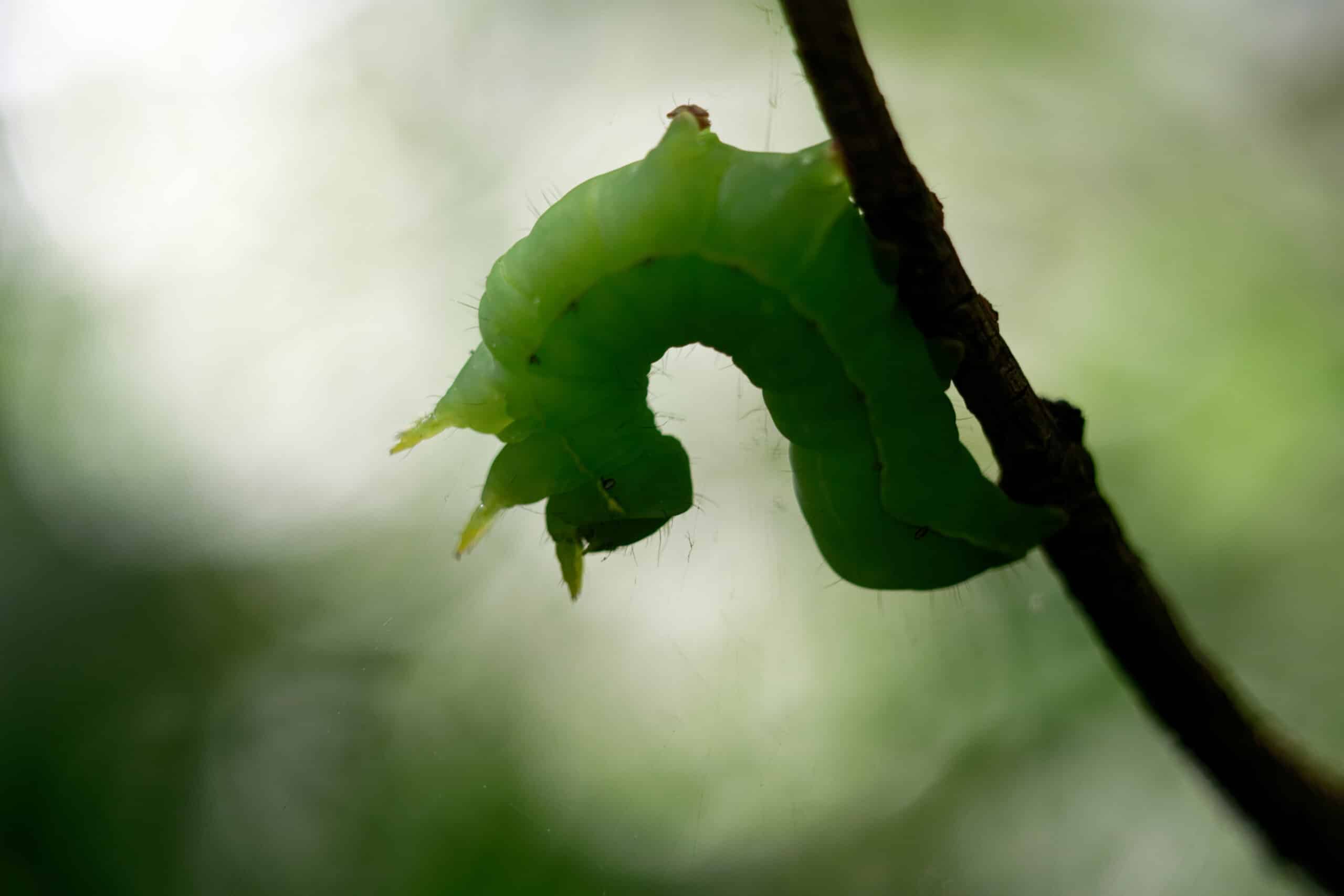
Lorraine is home to several protected areas where nature has reclaimed its place. The Parc naturel régional de Lorraine, which extends across three departments, preserves varied landscapes of forests, ponds and meadows. It is home to remarkable wildlife and plant life, including rare species such as the black stork and wild orchid: 250 bird species nest among the 130 ponds of the Pays des Étangs. Nature reserves, such as the Lindre reserve, play an essential role in conserving ecosystems. These areas offer marked trails for observing biodiversity and raising public awareness of environmental protection.
Green tourism in Lorraine invites visitors to enjoy experiences in the heart of nature. Eco-responsible accommodation, hikes through the forests and bike rides along the many canals offer a chance to reconnect with the environment. Many gîtes and ecolodges blend harmoniously into the landscape while adopting sustainable practices. Visitors explore preserved areas on foot, by bike or by boat, encouraging low-impact river tourism. Every stay becomes an opportunity to admire natural treasures while respecting the fragile balance of ecosystems.
Sustainable tourism in Moselle is an initiative designed to promote tourism practices that respect the environment, local culture and communities. Located in the Grand Est region of France, Moselle offers many opportunities for responsible tourism thanks to its natural landscapes, historical heritage and cultural activities.
Sustainable tourism in Moselle is an excellent way to discover the region while respecting its environment and communities. By choosing eco-responsible activities and accommodation, you help preserve this unique natural and cultural heritage.
The Pays des Étangs, located in southern Moselle, is made up of vast forested areas and preserved wetlands. This unique landscape is the result of a long tradition of land management by people and monks, which shaped the area over the centuries. These habitats are home to exceptional biodiversity and provide refuge for many animal and plant species. The presence of ancient forests strengthens this natural balance, playing a key role in climate regulation and water quality.
The Pays des Étangs is one of the areas recognised by UNESCO through the Man & Biosphere programme. This distinction highlights areas where human activities coexist with the preservation of biodiversity. The designation underlines the importance of these ecosystems for species conservation and sustainable development. Its aim is to encourage environmentally respectful practices while allowing local communities to benefit from natural resources without depleting them.
The Pays des Étangs perfectly illustrates the balance between nature preservation and economic development. Fish farming, practised since the Middle Ages, allows the ponds to be managed sustainably without harming their ecosystem. Ecotourism is developing through discovery trails, birdwatching observatories and accommodation integrated into the landscape. Residents and visitors enjoy this natural setting while taking part in its protection through local awareness-raising initiatives and sustainable resource management.
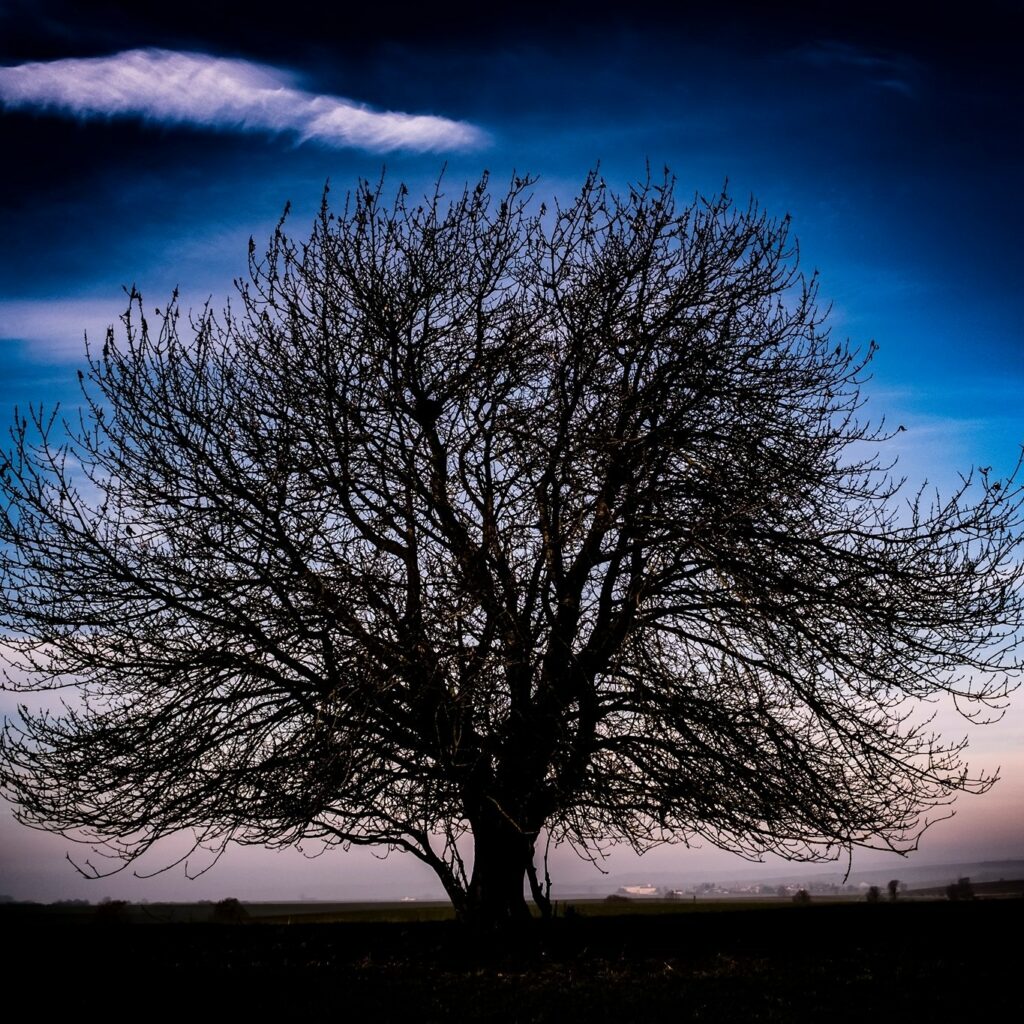
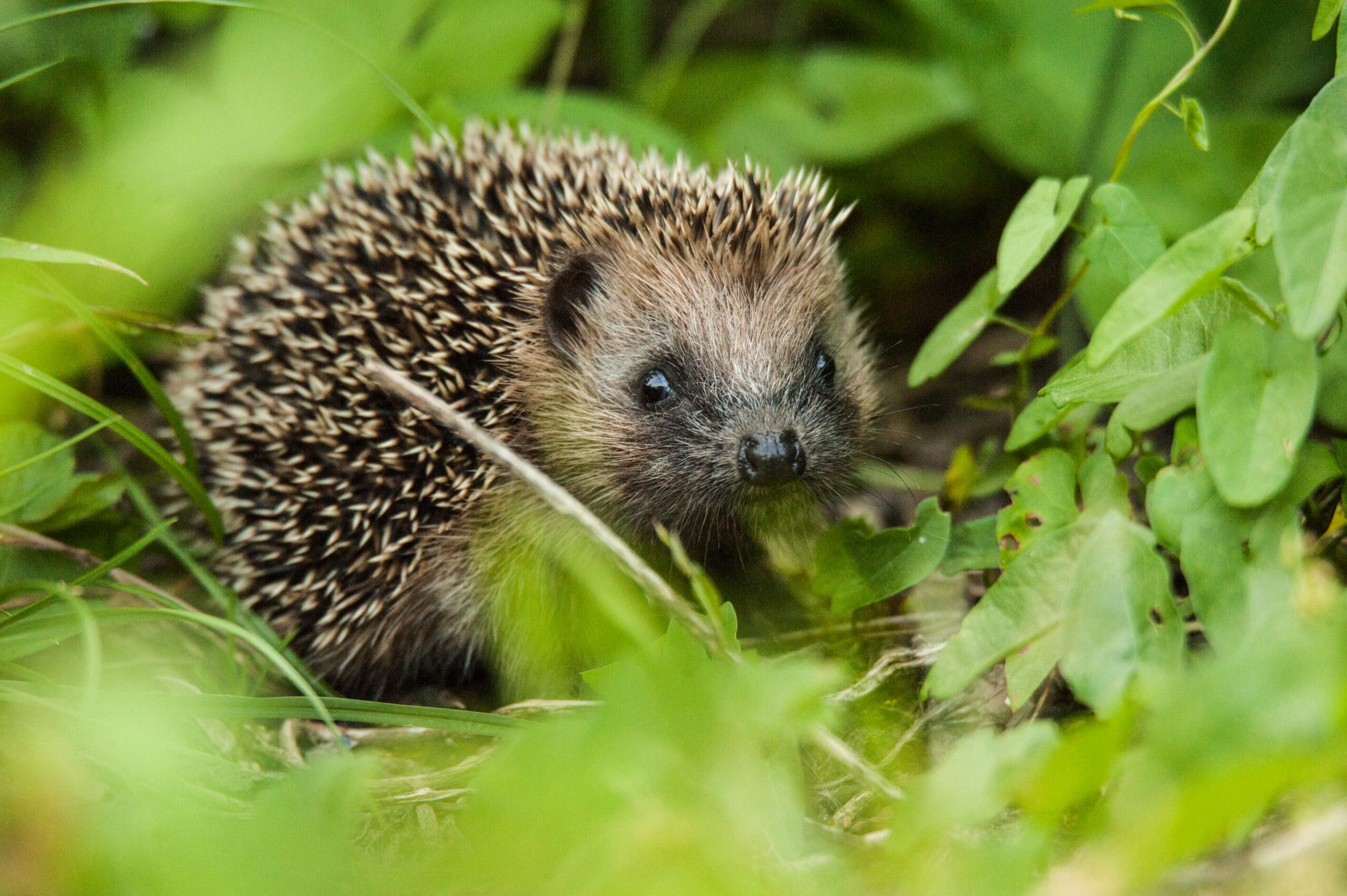
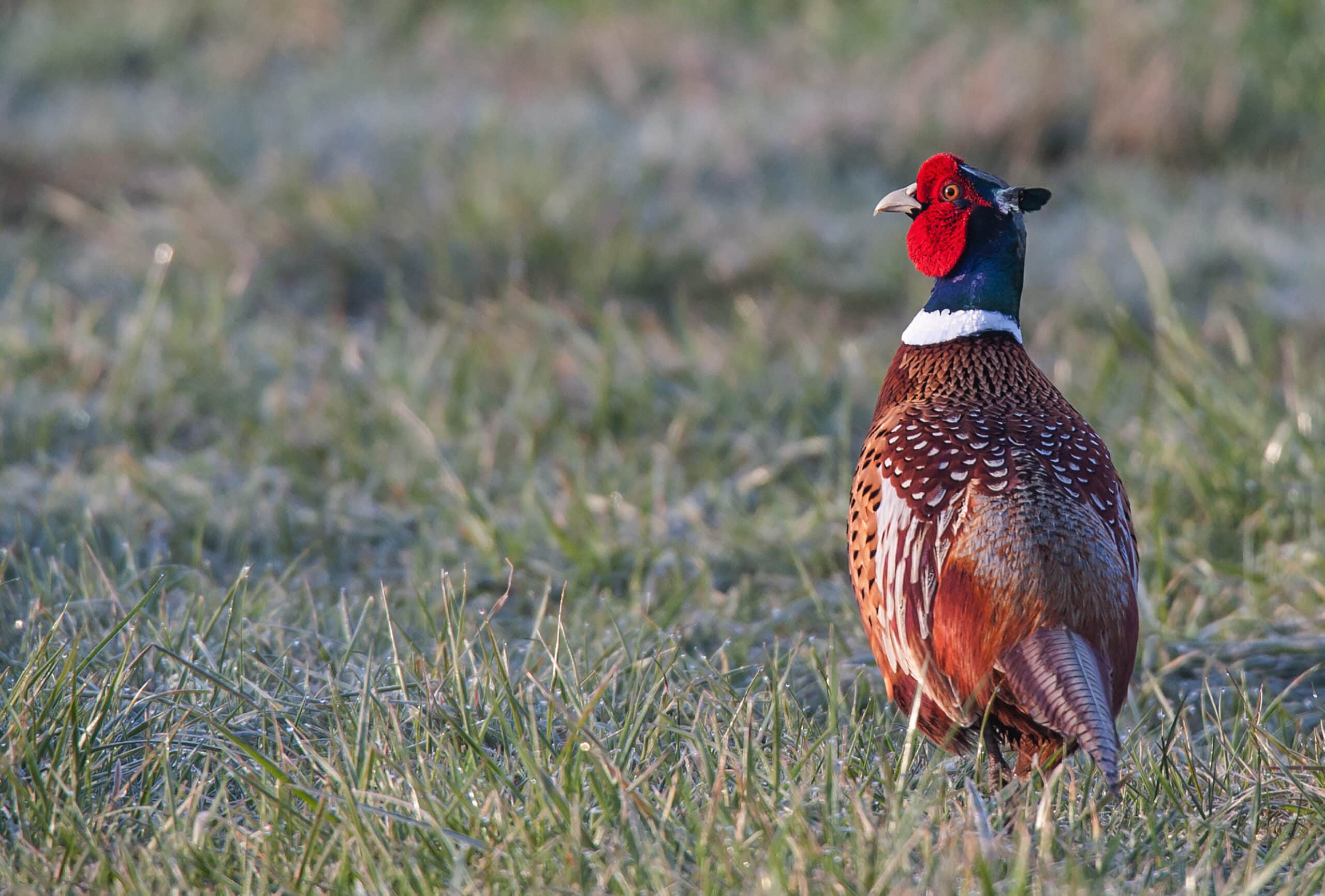
This area is home to unique wildlife and plant life, adapted to aquatic and forest environments. The ponds welcome rare bird species such as the osprey and the black stork. The forests are full of emblematic mammals such as red deer, roe deer and wild boar. Its botanical richness can be seen in a variety of tree species, including beeches, oaks and sequoias. Each season transforms the landscape, offering visitors an ever-renewed natural spectacle.
Photos: Terre et Partage
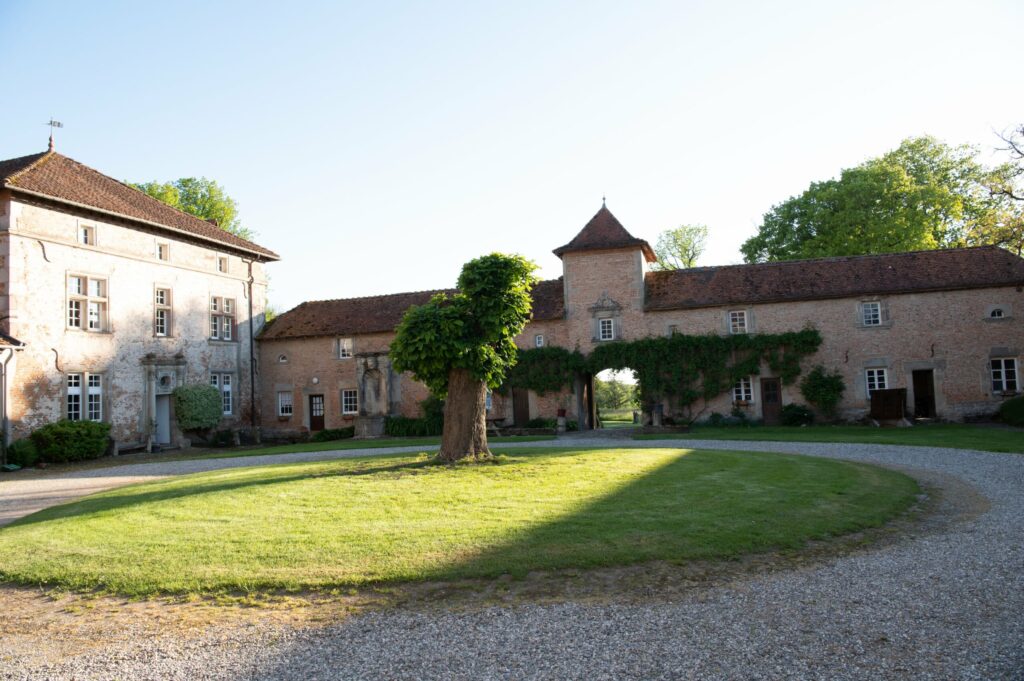
Located in the heart of the Pays des Étangs, the Château de Romécourt is committed to conserving and enhancing its environment. Its 300-hectare estate preserves natural areas that support local biodiversity. By limiting human impact and promoting the area’s resources, the château helps pass on a living heritage. Its commitment to ecotourism and cultural events raises visitors’ awareness of the importance of protecting these exceptional landscapes.